Home Improvement
How to Prepare Your Florida Home for Interior Painting
A fresh coat of paint changes a room, but the finished result depends on preparation. Here is what to check before the first roller touches the wall.
A fresh coat of paint can change the appearance of a room, but the quality of the finished result depends heavily on preparation.
Whether you are refreshing one bedroom in Winter Garden, updating a living room in Orlando, or repainting several rooms in a Central Florida home, preparing the surfaces correctly can make a significant difference. Professional Interior Painting begins with that preparation.
1. Decide What You Are Painting
Start by defining the project.
Are you painting:
- One wall?
- An accent wall?
- An entire room?
- Ceilings?
- Baseboards?
- Interior doors?
- Several rooms?
A clear scope makes it easier to plan materials, preparation, and the amount of work involved.
2. Inspect the Walls
Before painting, look for:
- Holes
- Dents
- Nail pops
- Cracks
- Peeling paint
- Stains
- Damaged drywall
- Uneven areas
Paint can improve color, but it does not automatically correct underlying surface imperfections.
3. Repair the Surface First
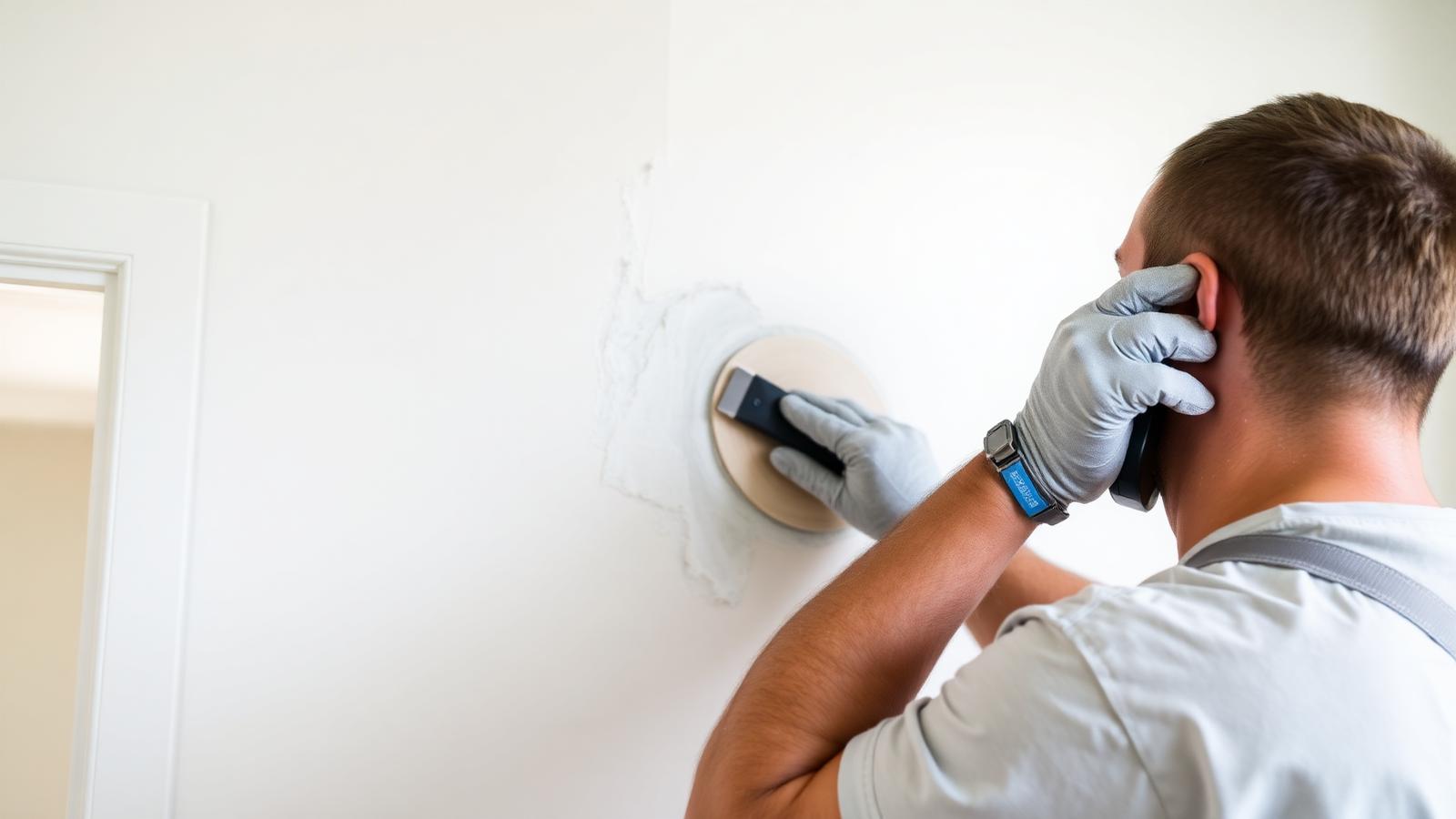
Minor drywall damage should generally be addressed before painting.
Depending on the condition, preparation may include:
Patch → Sand → Smooth → Prime → Paint
Larger drywall problems may require a separate Drywall & Ceiling Repair process.
4. Clean the Surfaces
Walls can accumulate dust, fingerprints, grease, and other contaminants.
Cleaning may be particularly important in kitchens, bathrooms, hallways, and other high-use areas.
The surface should be appropriately prepared before paint is applied.
5. When Is Primer Necessary?
Primer can be useful in several situations.
It may be recommended for:
- Fresh drywall
- Repaired areas
- Significant color changes
- Certain stains
- Surfaces requiring additional preparation
The need for primer depends on the existing surface and the selected paint system.
6. Choosing the Right Paint Finish
Different rooms may benefit from different finishes.
Factors to consider include:
- Moisture
- Cleaning
- Traffic
- Appearance
- Desired level of sheen
Bathrooms and kitchens may have different requirements from bedrooms or formal living spaces.
7. Protect Floors and Furniture
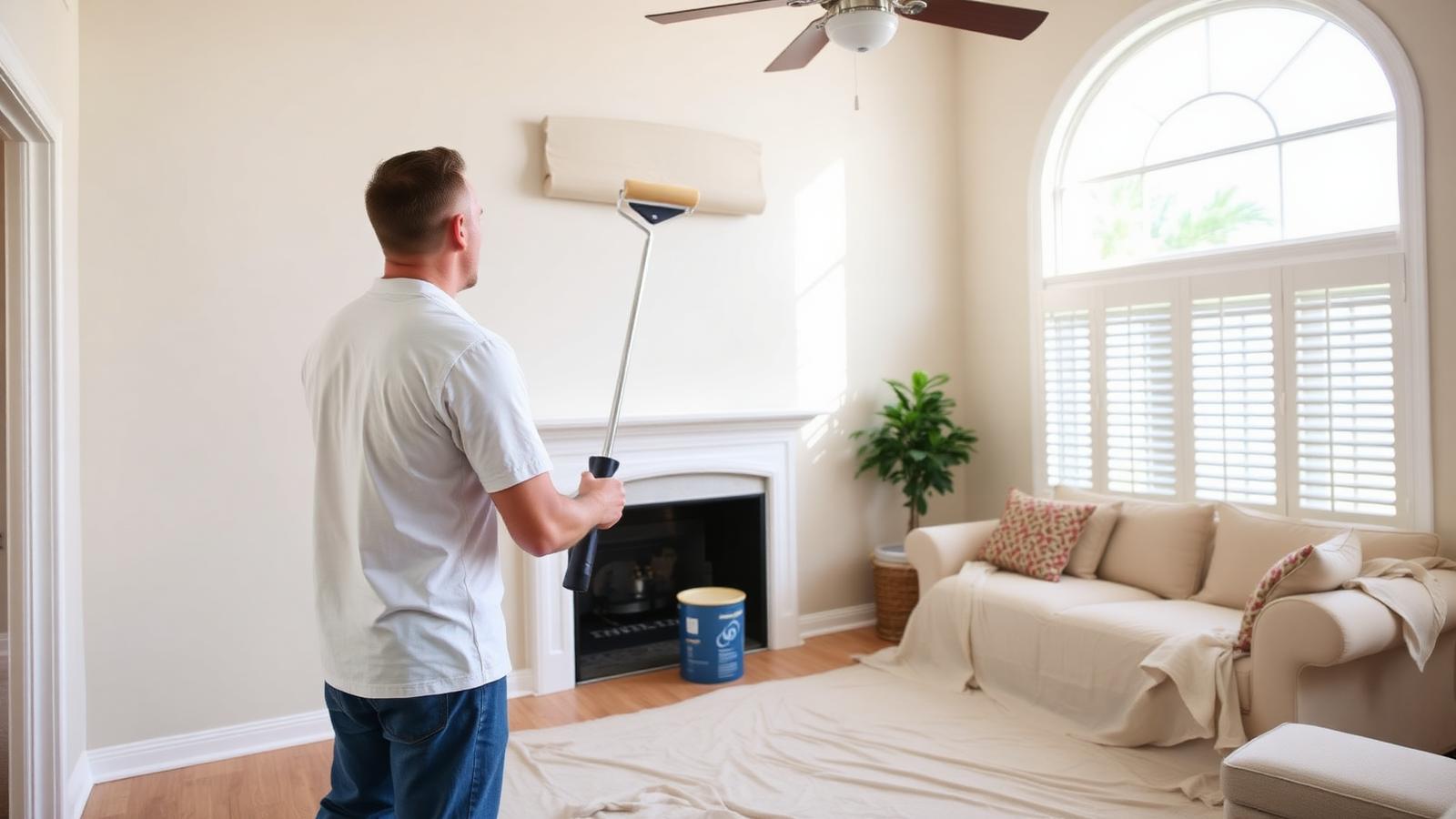
Before painting begins, floors, furniture, fixtures, and other areas should be appropriately protected.
Preparation can include:
- Covering floors
- Moving furniture
- Protecting fixtures
- Masking trim
- Protecting windows and doors
Good preparation helps keep the project organized.
8. What About Ceilings and Trim?
Walls are not the only surfaces that can be refreshed.
Homeowners may choose to include:
- Ceilings
- Baseboards
- Crown molding
- Interior doors
- Window trim
These elements can be included separately or as part of a larger painting project.
9. Should You Paint One Wall or the Entire Room?
An accent wall can change a room without requiring a complete repaint.
However, if the existing paint has faded or changed color over time, painting only one section may result in visible differences.
The condition of the surrounding paint should be considered.
10. Prepare Before Choosing the Color
Color selection is important, but it should not be the first and only decision.
Consider the room's:
- Natural light
- Artificial lighting
- Flooring
- Furniture
- Trim
- Existing finishes
A color can look very different depending on the lighting and surrounding materials.
Need help with your project?
JM Connect Services provides professional home improvement and handyman services throughout Central Florida.
Request Your Free Estimate →