Home Improvement
What to Know Before Installing a New Appliance in Your Florida Home
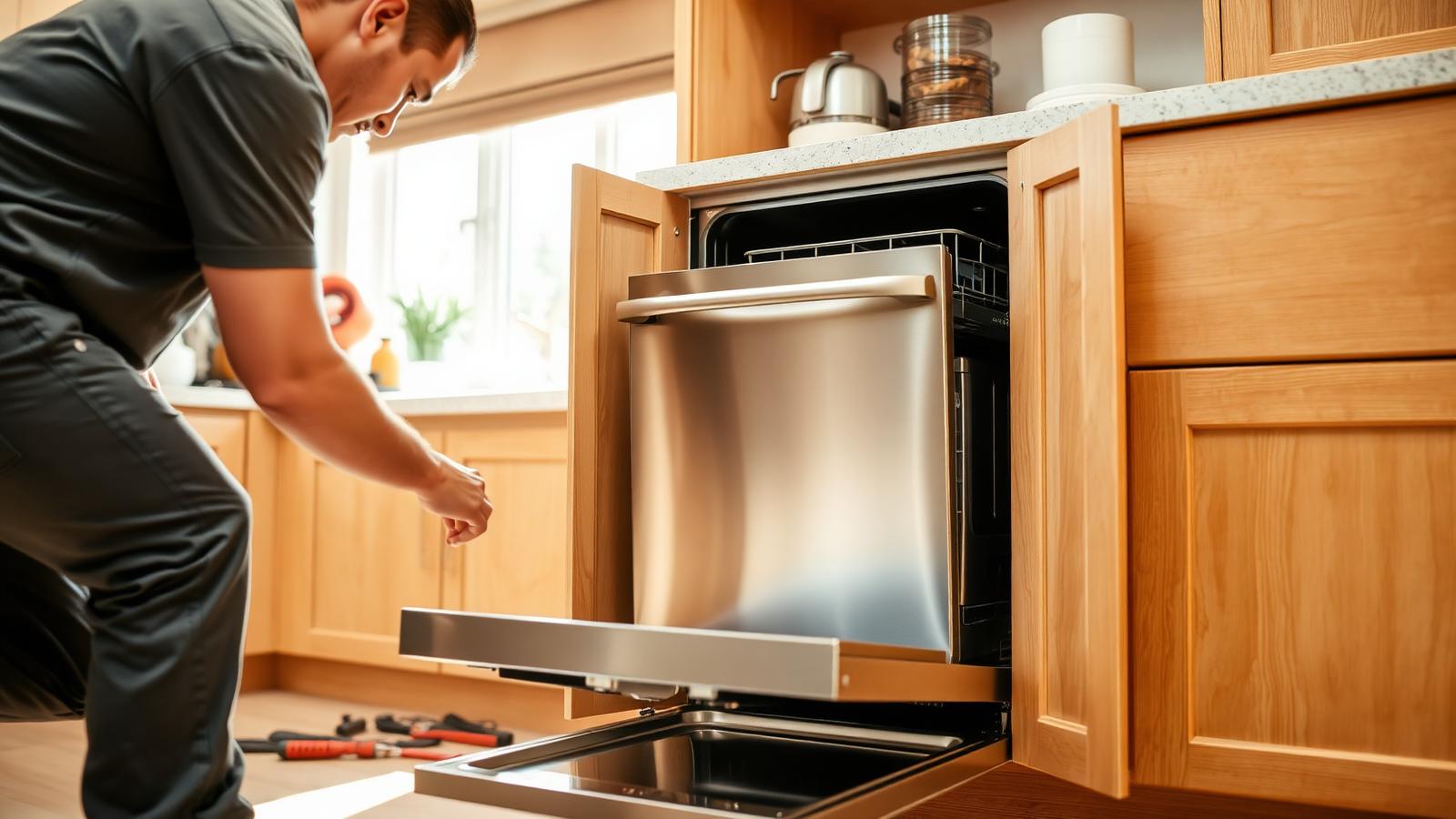
Getting a new appliance installed correctly takes more than bringing it inside. Here is what to confirm before delivery day.
Buying a new appliance is exciting, but getting it installed correctly requires more than simply bringing it into the house.
Refrigerators, dishwashers, washers, dryers, ranges, cooktops, and over-the-range microwaves can have different installation requirements.
For homeowners in Orlando and throughout Central Florida, understanding those requirements before delivery can help prevent delays and unexpected installation problems.
1. Check the Appliance Dimensions
Before purchasing an appliance, measure the available space.
Consider:
- Width
- Height
- Depth
- Door clearance
- Cabinet clearance
- Countertop clearance
- Pathway into the home
An appliance may fit the opening but still be difficult to operate if there is not enough clearance for doors or drawers.
2. Confirm the Connections
Different appliances require different connections.
Depending on the appliance, you may need:
- Electrical connection
- Water supply
- Drain connection
- Venting
- Appropriate outlet configuration
The existing connections should be evaluated before installation. Our Appliance Installation team can review them with you.
3. Dishwashers Require More Than Sliding Into Place
A dishwasher typically needs appropriate connections for water, drainage, and electricity.
The unit must also be properly secured and checked for leaks after installation.
A dishwasher installation should be planned around the existing cabinet opening and connections.
4. Refrigerator Water Lines
If your refrigerator includes an ice maker or water dispenser, a suitable water connection may be required.
The existing plumbing configuration should be evaluated to determine whether the connection can be installed appropriately.
5. Over-the-Range Microwaves
An over-the-range microwave needs appropriate mounting support.
The installation may involve locating structural support, installing the manufacturer's mounting hardware, and addressing ventilation requirements when applicable.
The microwave should be properly secured before use.
6. What About Washers and Dryers?
Washers require appropriate water supply and drainage connections.
Dryers may require electrical connections and, depending on the type, appropriate venting.
The installation requirements depend on the appliance model and the home's existing configuration.
7. What About Gas Appliances?
Gas appliance connections may require an appropriately licensed professional.
JM Connect Services focuses on appliance installations within its service scope and refers specialized gas work to the appropriate licensed professional when required.
8. Can You Install an Appliance Purchased Online?
In many cases, yes.
Before installation, provide the appliance model number and installation requirements so the project can be evaluated.
Owner-supplied appliances should arrive undamaged and include the necessary components and manufacturer's instructions.
9. What Happens to the Old Appliance?
Depending on the appliance and local disposal requirements, removal and disposal of an old unit may be available as an additional service.
This can be especially helpful when replacing large appliances such as refrigerators, dishwashers, or washers and dryers.
10. Plan Appliance Installation as Part of a Larger Project
Appliance installation can also be coordinated with Kitchen Remodeling. If cabinets, countertops, flooring, or other components are being changed, appliance dimensions and installation requirements should be considered early in the project.
Need help with your project?
JM Connect Services provides professional home improvement and handyman services throughout Central Florida.
Request Your Free Estimate →