Home Improvement
Ceiling Fan Installation: What Florida Homeowners Should Know
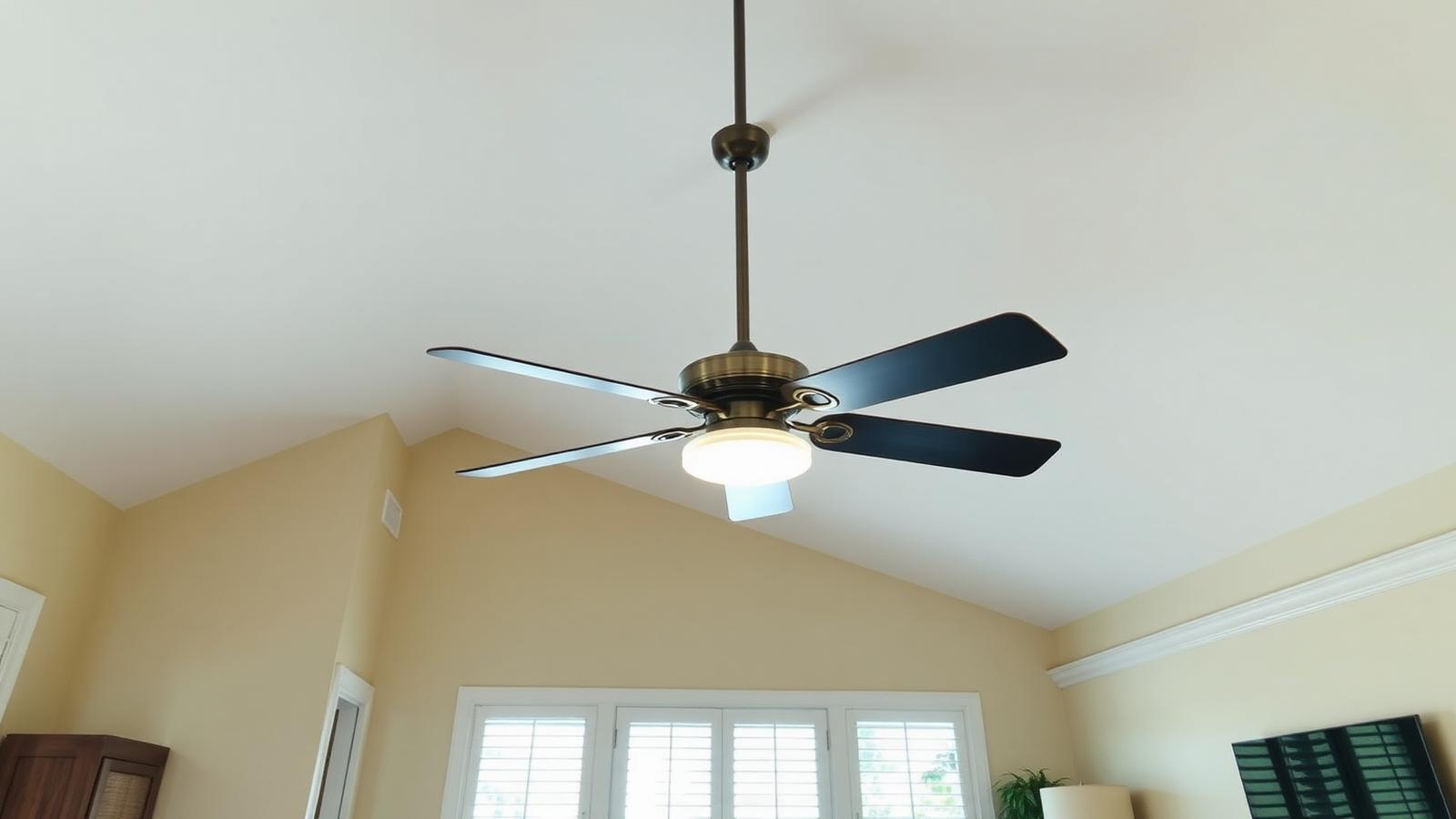
Installing a ceiling fan is not just swapping out a light fixture. Ceiling structure, box rating, height, and location all shape the installation.
Ceiling fans are popular in Florida homes because they can improve air circulation and make rooms feel more comfortable.
But installing a ceiling fan is not simply a matter of removing an old light fixture and attaching a fan.
The ceiling structure, electrical box, fan size, ceiling height, and intended location all need to be considered.
1. Can You Replace a Light Fixture With a Ceiling Fan?
In many situations, yes.
However, the existing electrical box must be suitable for supporting a ceiling fan.
A standard light-fixture box may not provide the support needed for the movement and vibration created by a fan. Our Ceiling Fan Installation service includes evaluating that support.
2. What Is a Fan-Rated Electrical Box?
A fan-rated box is designed to support the weight and movement associated with a ceiling fan.
If the existing box is not properly rated, it may need to be replaced or additional support may be required.
3. What About Vaulted Ceilings?
Vaulted and angled ceilings require additional consideration.
The appropriate mounting hardware and downrod should be selected based on the ceiling configuration.
Blade clearance and overall fan height should also be considered.
4. How High Should a Ceiling Fan Be?
Fan placement should take into account ceiling height and safe blade clearance.
The goal is to provide effective air circulation while maintaining appropriate clearance from the floor and surrounding objects.
5. Can Ceiling Fans Be Installed Outdoors?
Yes, but the fan must be rated for the location. A covered lanai may require a damp-rated fan, while a location exposed directly to weather may require a wet-rated product. Using equipment that is not designed for the environment can create unnecessary problems.
6. What If the Fan Wobbles?
A wobbling fan can have several causes. Possible issues include:
- Improper support
- Unbalanced blades
- Loose hardware
- Downrod issues
- Mounting problems
The cause should be identified rather than simply tightening random components.
7. Can You Install a Fan With a Remote?
Yes. Compatible fan remotes can be installed or configured depending on the fan model. The remote and lighting functions should be tested after installation.
8. What About Smart Ceiling Fans?
Some modern fans include smart controls or can be paired with compatible smart-home systems. Compatibility should be confirmed before purchasing or installing the control system. Related switch or wiring work may fall under Minor Electrical Services.
9. What Happens to the Old Fan?
Old fan removal and disposal may be included as part of the installation depending on the project. This can make replacing an existing fan more convenient.
10. Choosing the Right Fan
Before purchasing a ceiling fan, consider:
- Room size
- Ceiling height
- Indoor or outdoor location
- Existing electrical configuration
- Fan size
- Lighting requirements
- Control options
Choosing the fan before evaluating the installation location can sometimes lead to compatibility problems.
Need help with your project?
JM Connect Services provides professional home improvement and handyman services throughout Central Florida.
Request Your Free Estimate →